Skip Hire in Barking for domestic, trade and site waste
Skip hire in Barking gives households, builders and local businesses a practical way to clear waste when a project produces more than the usual bin collections can take. Our service covers a clear range of skip sizes and collection options, with a focus on matching the container to the job rather than over-ordering. Whether you are tackling a refurbishment, garden clear-out or regular work on site, the aim is a straightforward arrangement that helps you manage waste in one organised place.
Choosing the right skip starts with the type of material you need to remove, the space available for delivery and how long you need it on site. We provide skip hire for mixed non-hazardous waste and can guide you through the most suitable size for your project. If access is tight or loading needs to be controlled, a wait and load skip hire option can be a practical alternative, while projects that need a covered container may benefit from enclosed and lockable skip hire.
Use the pages on this site to compare service types, check what is suitable for your waste and request a price for the work you need. If you already know the sort of skip or collection style you want, you can move straight to the most relevant service page and then ask for a quotation in your own time.
Domestic skip hire for clear-outs and home improvements
Domestic jobs often produce a mix of bulky and general waste that is awkward to move in small loads. Skip hire can suit loft clear-outs, kitchen updates, bathroom rip-outs, flooring replacement and everyday household decluttering because it keeps everything together until collection. It is usually easier to plan around one properly sized container than to rely on repeated runs to the tip, especially when the work is spread over several days.
For lighter household waste, a smaller skip may be enough, while larger room refits can need more capacity. Our domestic skip hire page covers the residential side of the service, and the house clearance page is useful where a property contains furniture, mixed contents or items that need separating before removal. If the work includes the garage or loft, the dedicated garage and loft clearance service can be a better fit than ordering a container alone.
When planning a domestic booking, it helps to think about what is being thrown away, how much floor space is available and whether the skip will sit on a drive, private forecourt or another suitable area. Material type matters, because some items can be accepted in a skip while others need specialist handling. A simple note of the waste mix, the amount and the access available is usually enough to begin a sensible quotation.
Builders skip hire for renovation and construction waste

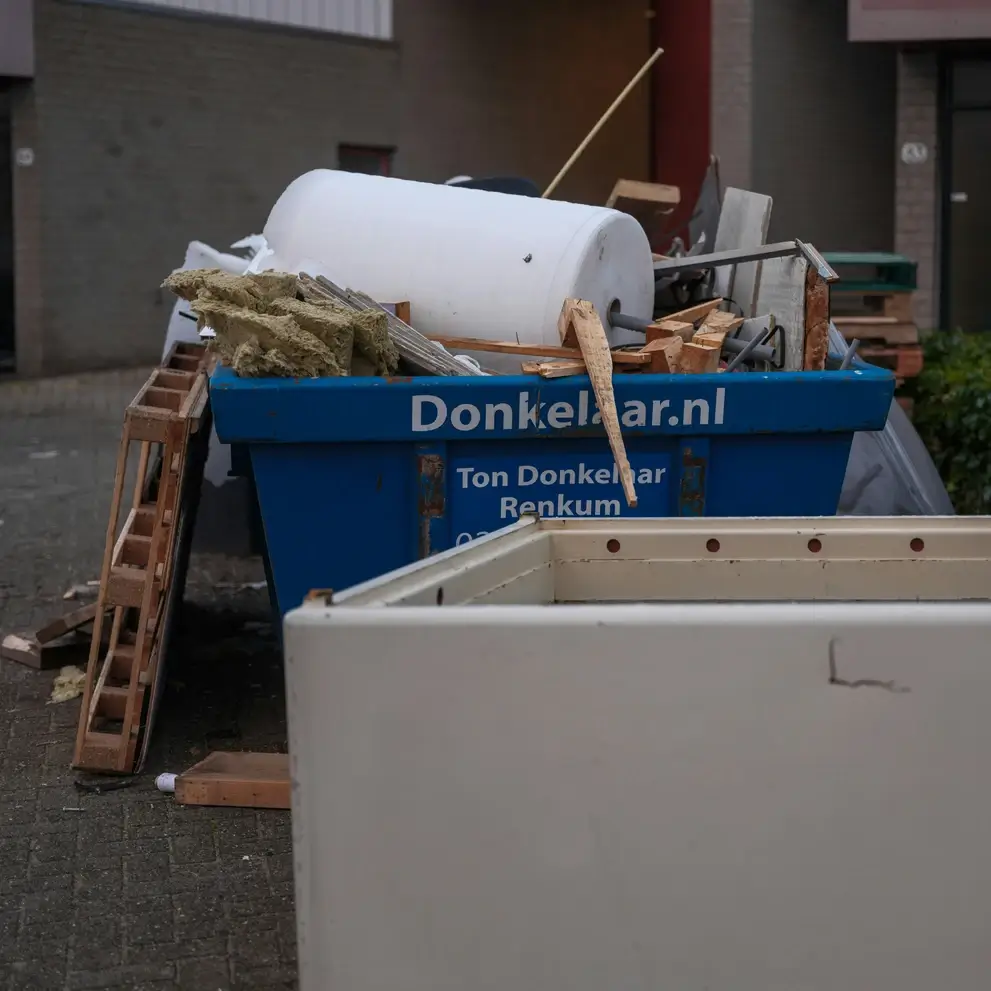
Building work creates dense, heavy waste that is best managed with containers designed for rubble, brick, plasterboard, timber and mixed construction debris. Our builders skip hire service is aimed at renovation projects, structural alterations and smaller on-site tasks where tidy waste control matters. The right skip helps keep work areas safer and more organised, while also making it easier to separate reusable or recyclable material from general debris.
Some projects generate waste at different stages, so a skip can be used alongside other support services. For example, the construction waste clearance page is relevant when waste needs to be removed from a working area without leaving a container in place for long, while construction waste disposal is suited to jobs where the priority is getting the waste collected and processed efficiently. Larger demolition tasks are better matched to demolition waste removal, especially when the material mix is rough, heavy or awkward.
If you are comparing options for a build, think about the sequence of the work rather than only the final amount of rubbish. A skip can be filled gradually, whereas clearance or disposal services may suit short, intense phases of waste production. That difference affects how much control you want over loading, what can be stacked safely and how often the waste needs to leave the property or site.
Commercial waste options for workplaces and managed premises
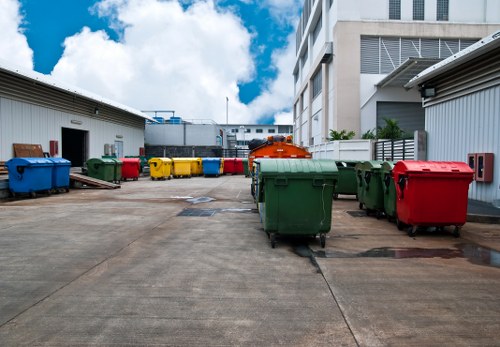
Businesses often need a tidy way to deal with packaging, refurbishment debris, broken fixtures or unwanted office contents without disrupting normal operations. The commercial side of the service is designed around that kind of practical waste movement, where access, timing and continuity matter. A well-matched skip or collection arrangement can reduce clutter around entrances, loading areas and service yards while the work continues.
For premises that need an organised waste plan, the commercial skip hire page sets out a suitable option for shops, offices and other workplaces with ongoing waste. If the job is mostly furnishings and office equipment, the office clearance service may be more appropriate, especially when desks, chairs and filing items need clearing together. Where mixed debris is produced during fit-out or strip-out work, site clearance can help take away waste that is spread across a wider area.
For a commercial quote, it is useful to know what the waste includes, whether the premises have loading restrictions and how the collection area is accessed. That information helps separate routine waste from material that may need special handling. Where confidentiality matters, paper and records should be assessed separately from ordinary mixed waste so that the most suitable route can be chosen.
Skip sizes, loading choices and service planning

Picking a skip is not only about capacity. Size, shape and placement all influence how easy the job will be, and the best choice depends on the kind of waste being generated. A small project with bulky but light items can need a different arrangement from a heavier clearance with masonry or soil. Getting that balance right makes loading simpler and can reduce the risk of choosing a container that fills too quickly or is larger than necessary.
Our skip sizes and prices page is useful if you want to compare the main options before requesting a quote. If you need help deciding what can go in the container, the what can go in a skip guide explains common waste categories and points out items that are usually excluded. For situations where the waste needs to be cleared without leaving a container behind, rubbish removal may be the more direct solution.
Here are the main factors that usually shape the order:
- the approximate volume of waste
- the weight of the materials
- how the skip will be loaded
- available space for delivery and collection
- any time limit set by the property or site
Permits, access and placing a skip safely
Where a skip cannot sit fully on private land, permit requirements can become part of the planning. That is especially relevant on streets or shared access areas, where placement needs to be considered carefully. The purpose of the permit process is to make sure the container is positioned lawfully and with suitable regard for traffic, pedestrians and neighbouring properties. It is best to sort this out before delivery rather than after the vehicle has arrived.
The skip permits page explains the permission side of the job, while skip hire permits provides a direct route to the same practical issue from a hire perspective. If your property has limited room for drop-off, wait and load skip hire can sometimes avoid the need to leave a skip in place, and that can be helpful where parking, traffic flow or street access makes a stationary container awkward.
Access checks are most useful when they are simple and accurate. Measure the approach, note any low obstacles, and think about whether the delivery vehicle can reverse or turn as needed. If the plan involves a narrow road, controlled entry point or a shared forecourt, it is sensible to mention that at the quotation stage so the most practical arrangement can be suggested.
Recycling, reuse and responsible waste handling
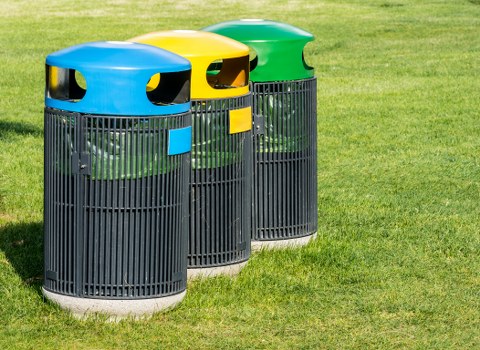
Waste handling works best when recyclable material is separated and sent onward appropriately rather than mixed into a single general load without thought. Our waste recycling services page outlines the broader process of recovering suitable material from collected waste, which can include sorting and processing depending on the type of load. This approach is useful for customers who want a practical service while still giving recyclable items a proper route away from disposal.
If environmental handling is important to your project, the recycling and sustainability page offers more detail on how waste choices can support better material recovery. For jobs involving mixed site waste, the collection method still needs to suit the actual load, but the eventual handling can differ depending on whether the material is reusable, recyclable or destined for disposal. That distinction matters most when the waste includes wood, metal, inert rubble or other common building materials.
Recycling is usually easiest when the load is not contaminated by unsuitable material. It helps to avoid mixing in prohibited items, liquids or anything that could affect the quality of what is recovered. A clear description of the waste type makes it easier to plan the best route, and it can also prevent delay when the load reaches the next stage of processing.
Specialist removal for items and materials that need care
Not every job is best handled as ordinary mixed waste. Some items are bulky, awkward or regulated, and those loads need a more specific approach. That is why the service range includes targeted pages for common specialist tasks. A clear category is usually safer and more efficient than forcing everything into one generic booking where the handling requirements are different.
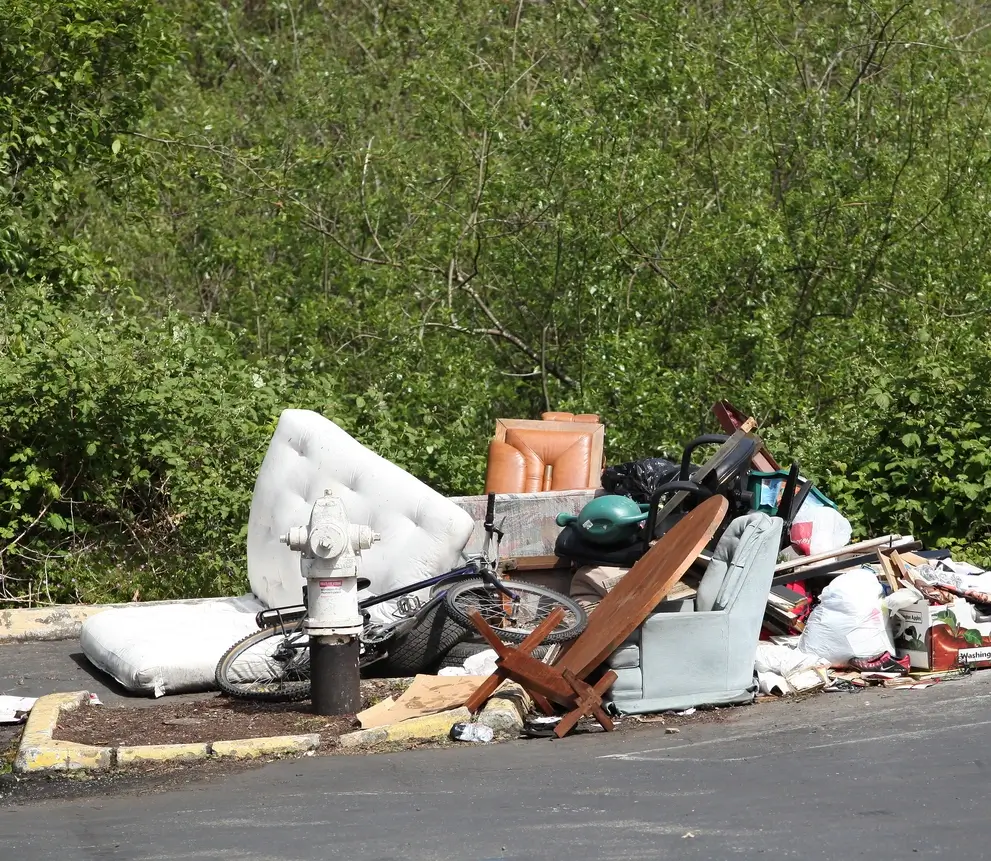
For example, fridge and appliance removal is relevant when electrical items need collection separately from other rubbish, while mattress and sofa disposal covers common household items that are inconvenient to move as part of a standard clearance. If the load includes materials that require particular treatment, hazardous waste disposal provides a more suitable route than treating the waste as ordinary household or builder debris.
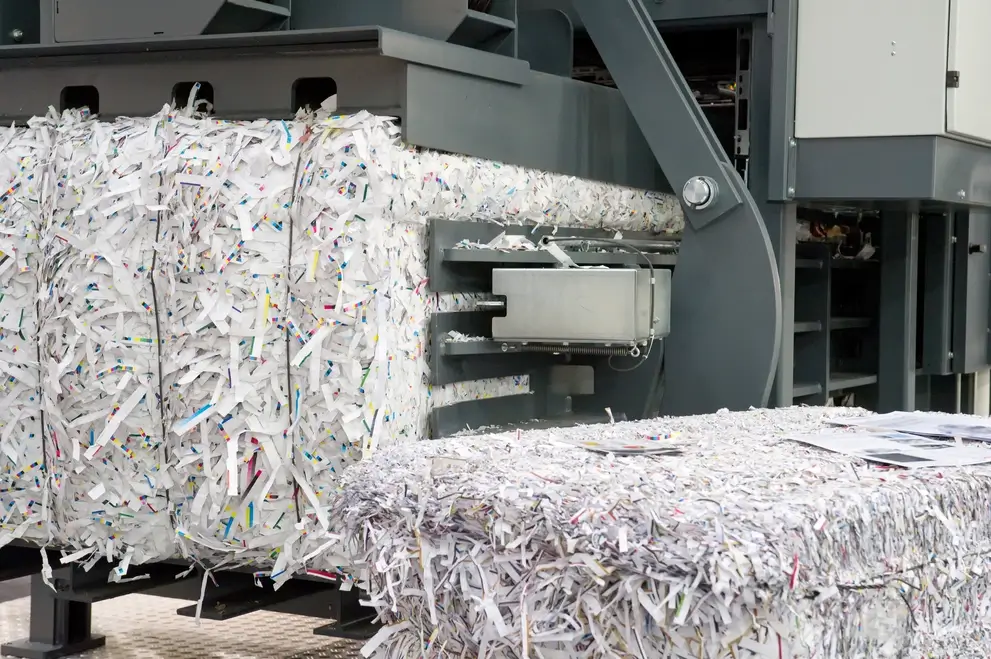
For confidential paperwork, the dedicated confidential shredding page is a more appropriate choice than a general skip, because documents and records should be dealt with in a controlled way. Specialist services are often about matching the waste to the correct process, rather than simply removing it quickly. That makes the booking more accurate and the handling more suitable for the material involved.
Same-day and planned collections
Some customers want waste removed as part of a pre-planned project, while others need a quicker arrangement because the work has progressed faster than expected. Our same-day skip hire page is useful when timing is important and you need to see what can be arranged on short notice. Even when a same-day option is not required, it still helps to think about the sequence of loading, collection and any access restrictions early in the project.
There is also value in booking ahead when the job is predictable. If you know the waste stream, the access conditions and the likely duration, a planned order can be easier to coordinate than a last-minute call. That is especially true for repeat trade work, property clearances or jobs that need to fit around contractors, occupants or site teams. Use the service pages to narrow the choice and then decide how quickly you need the work completed.
When you are ready, ask for a quotation in the way that suits you best. A short description of the waste, the location and the timing is usually enough to begin.
About Barking
Barking is a historic town in east London, now part of the London Borough of Barking and Dagenham. It grew up beside the River Roding near its confluence with the Thames estuary, and its identity has long been shaped by water, trade and changing patterns of settlement. One of its most notable landmarks is Barking Abbey, founded in the 7th century and later dissolved, yet still important in the area’s history and street pattern. The town centre combines older routes with later commercial development, while the surrounding streets show the layered effects of suburban expansion and post-war change. Barking station makes the area an important transport node, with rail and Underground links supporting everyday movement through east London. The town also sits close to riverside landscapes and open spaces that reflect the broader estuary setting. Barking Park is one of the best-known local green spaces, while the waterfront and nearby marshes connect the place to the ecological and industrial history of the Thames corridor. Civic buildings, churches and newer housing estates sit alongside retail and public service areas, giving Barking a varied urban character rather than a single uniform centre. Its architecture ranges from surviving historic fragments to twentieth-century redevelopment, and that mix gives a sense of continuity across periods of change. The name itself remains closely associated with both the old town and the wider borough, although the two should not be treated as identical in every context.
Clear, simple quotations for the right waste solution
Once the main service type is identified, the quotation process becomes much easier. The most useful details are usually the waste category, the approximate amount, the collection point and whether the load is being filled gradually or removed in one go. If you are weighing up skip hire against clearance or removal, it is often worth comparing the practical differences first, because the most suitable option is not always the biggest one. A straightforward request can lead to a more accurate recommendation than a vague description of the job.
Where a project includes different waste streams, it can help to separate them into groups before asking for a price. Builders’ rubble, household contents, garden material and appliance waste all behave differently in a load and may suit different services. Our man and van page is relevant for smaller clearance jobs where loose items can be taken away without a skip, while grab hire services may suit bulkier waste that is easier to collect from ground level. For heavier earth or spoil, muck away services can be a better fit than a standard container.
Take a moment to check the service page that best matches your job, then make an enquiry with the facts to hand. If you are ready to proceed, request your quotation now and choose the option that suits the waste, the access and the time you have available.